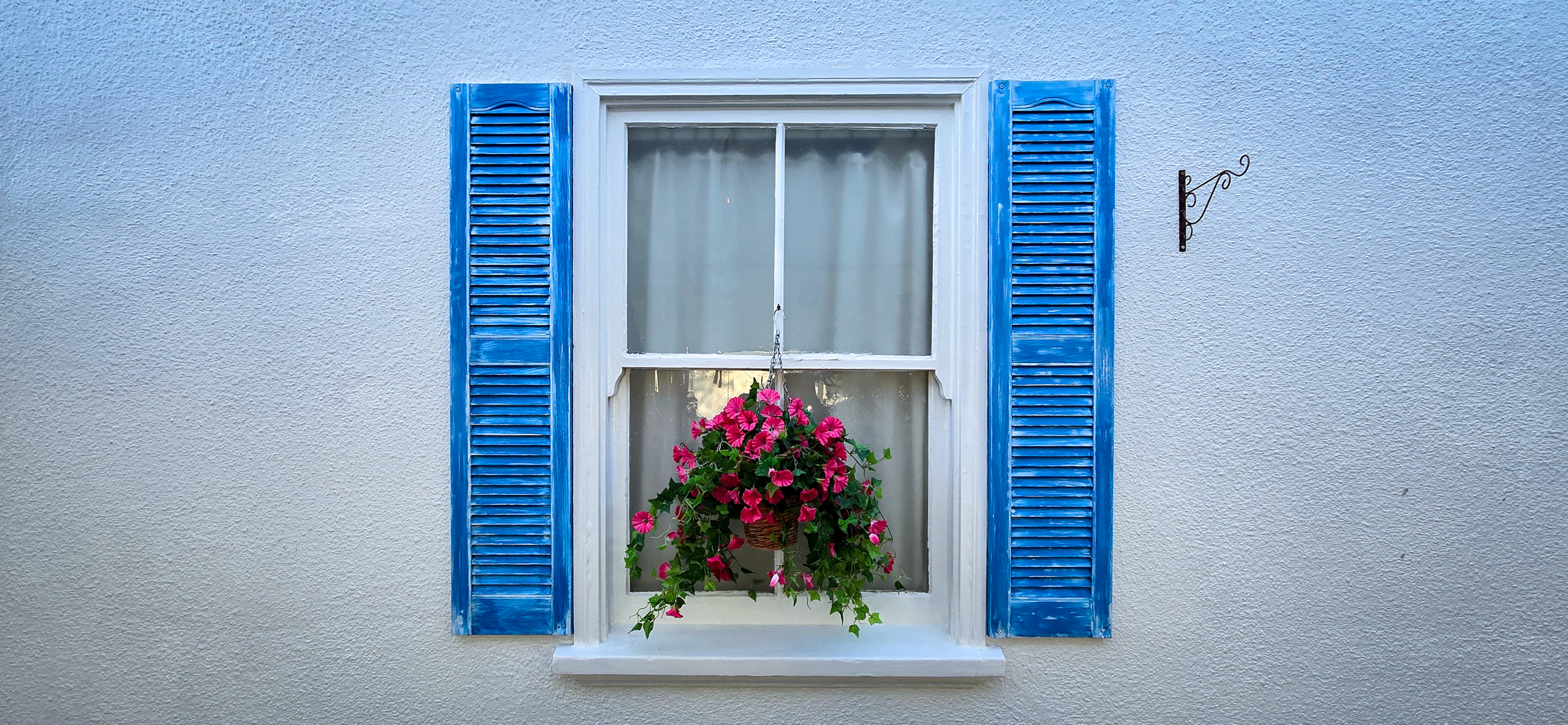
Exterior window shutters can significantly impact one’s home than most people expect. They enhance curb appeal, protect your windows, and help unify your home’s architectural style. Because shutters come in many designs and materials, choosing between modern and traditional options requires some consideration.
Before making any decisions, it is helpful to understand what sets modern shutters apart from classic designs, how different shutter materials perform, and which shutter types best suit specific home styles. Once you get familiar with these details, you’ll feel more confident about choosing shutters that look good and hold up well.
Compare Modern and Traditional Styles
The biggest difference between modern and traditional exterior shutters comes down to the visual details. Modern shutters typically feature cleaner lines, simplified shapes, and a minimalist look that complements newer construction and contemporary updates. Traditional shutters lean on more ornate profiles and familiar silhouettes you’ve likely seen on historic homes.
This is also a good place to explore the benefits of more durable options, especially if you’re planning to shop composite shutters. Many homeowners prefer composite shutters because they offer the look of solid wood without concerns like rot or warping, and premium PVC options can be painted to blend seamlessly with modern or traditional designs.
If you’re leaning toward a modern aesthetic, fixed or movable louvered shutters with slim profiles often fit well. Simple raised panel shutters also work if you prefer a clean but slightly more substantial look. For a classic approach, board and batten shutters, recessed panel shutters, and traditional louvered shutters are popular choices. These match older homes and add a timeless feel that never really goes out of style.
When comparing styles, look at your home’s architectural style first. A ranch home or mid-century layout pairs well with straightforward lines. A colonial, farmhouse, or cottage usually benefits from board & batten shutters, raised panel shutters, or other familiar forms that highlight charm and structure.
Assess How Shutter Materials Perform Long-Term
Once you’ve zeroed in on a basic style, the next step is figuring out which shutter materials make the most sense for your climate, budget, and long-term needs.
Solid wood shutters deliver a warm, classic look. If you love the character of natural grain, this material gives you that authentic texture. Solid wood shutters also accept paint and stain well, so you can refresh them occasionally. Just remember that wood shutters require more upkeep, and they can show wear faster in areas with moisture, direct sun, or extreme temperature changes.
Vinyl shutters are often used for simple decorative shutters. Exterior vinyl shutters can be budget-friendly and lightweight, and some options include molded-through color. These work for homeowners who want a low-maintenance solution, but they may not provide the sturdiness you’d want for fully functional designs.
Composite shutters offer a middle ground because they give you the heft and appearance of wood with better resistance to moisture. Architectural composite shutters and other advanced materials are designed to last, making them ideal for homes exposed to rain, humidity, or strong sunlight. If you want shutters that look traditional but perform well in harsher environments, this material gives you both.
Aluminum shutters are another option. While often used for storm protection or hurricane shutter panels, aluminum shutters also work well for modern homes because of their sleek appearance. They’re strong, weather-resistant materials that hold up in coastal or high-heat regions.
Match Shutter Shapes and Profiles to Your Home’s Architecture
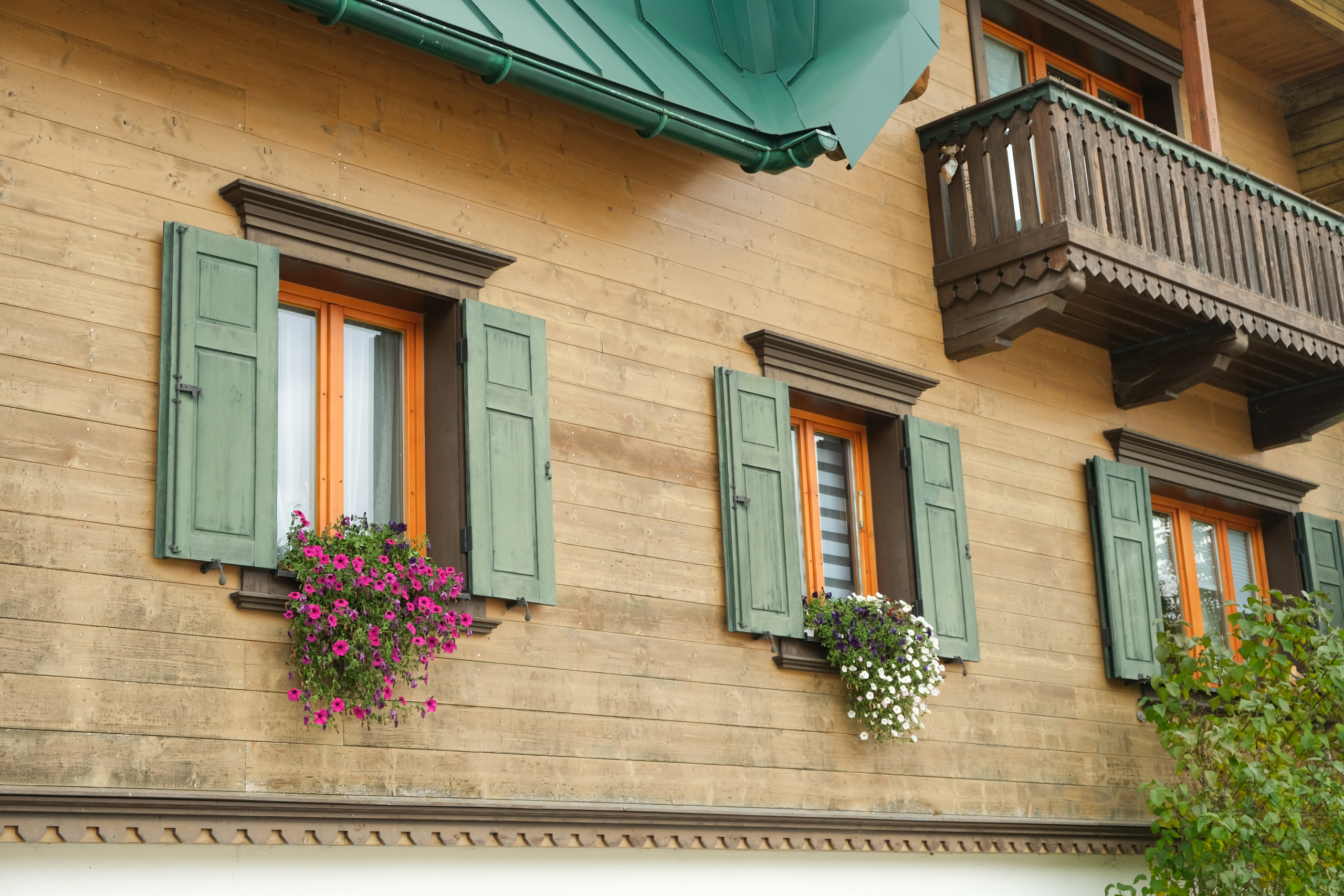
Once you understand your material and style options, the next step is making sure the shutter type aligns with your home’s curb appeal and architecture. Matching the right profile prevents your shutters from looking out of place or visually heavy.
Raised panel shutters work well for traditional homes and pair easily with symmetrical designs, such as colonials. You’ll also find raised panel shutters on brick homes, where their smooth but structured layout adds balance.
Louvered shutters remain one of the most popular exterior shutter styles. They can appear modern or classic, depending on the thickness of the louvers. Fixed louver shutters offer a neat, layered look, while movable louvers provide better light control.
Shaped windows may require custom shutters. Custom exterior shutters offer more flexibility, whether you require an arch-top design or specialty sizing. You can also explore options like a transom shutter top if your windows have unique proportions.
Bahama shutters, also known as Bermuda shutters, tilt outward from the top, offering shade and airflow. These give your home a breezy appearance and can double as storm window shutters in some regions.
Consider Function, Not Just Style
Shutters don’t just sit beside your windows for curb appeal. The right exterior shutters should serve a purpose based on how you live and what your home needs. For some homeowners, decorative shutters are enough. For others, operational shutters provide long-term benefits and increase property value.
Functional shutters can improve light control, ventilation, and storm protection, depending on their design. Louvered shutters and Bahama shutters provide airflow, while storm-related options enhance strength during harsh weather conditions.
Decorative shutters remain a popular choice, particularly for homes that require only an exterior accent. Just make sure your decorative shutters fit the size of your windows. Exterior shutters that aren’t sized correctly can throw off the balance of your façade.
Key Takeaway
Choosing between modern and traditional exterior window shutters becomes much easier once you understand your home’s architectural style, the performance of different shutter materials, and how each profile can change your home’s overall appearance. By balancing form and function, you’ll find shutters that upgrade curb appeal, stay durable long-term, and match the personality of your home. A thoughtful choice now saves you from frequent replacements later and helps you create a polished exterior that feels intentional and well-designed.
Get Matched with an Architect, Interior Designer or Garden Designer
Ready to get started? Post your project and we’ll match you with home design professionals – all over the UK – who are a perfect fit for your brief. It’s free, fast and no obligation.
- See who’s interested in your job
- Shortlist design pros
- Arrange consultations – for free!