Good design choices will never completely eradicate the stress of moving, but they can make moving day much easier.
The way your home is designed influences how easily things are packed up, how your belongings travel, and how quickly you can get settled into a new place.
Layout
The layout of a room influences how simple it is to pack, carry, and load belongings.
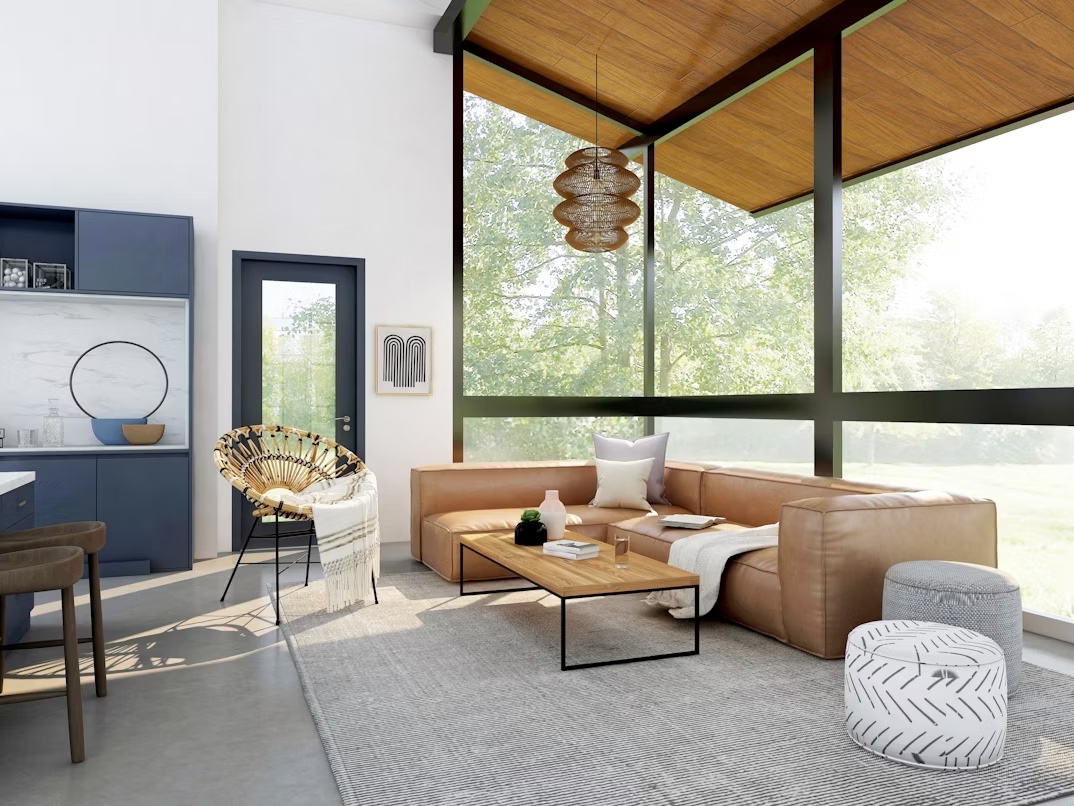
If your furniture is arranged with clear walking routes and open access to key areas, movers can work faster and with fewer interruptions. Tight layouts, oversized pieces, or awkwardly positioned furniture can slow things down and increase the chances of last-minute reshuffling or accidental damage.
Thinking about clearance around furniture – not just how it looks in place – can reduce pressure on moving day. A sofa that appears to fit comfortably in a room may still create problems when it comes to lifting it through a doorway or down a staircase.
It’s also worth considering how items will be dismantled and reassembled later, particularly in flats or homes with narrow access points.
Storage
Built-in storage, shelving and well-planned cupboards can have a significant impact on how long packing takes.
Homes with effective storage tend to feel more organised during a move because items already have clearly defined places. Without this, similar belongings can easily become scattered across multiple rooms, making packing and sorting more time-consuming.
Adding hidden storage to living areas or choosing furniture with integrated drawers can make a noticeable difference. Shelves that once appeared cluttered can look tidy, while everyday items can be stored neatly out of sight.
When possessions are easier to group and locate, packing becomes more predictable and less chaotic.
Logistics
Planning furniture placement before purchasing large pieces can also affect how smoothly a move unfolds.
Flat-pack furniture, modular sofas and lighter-weight pieces are generally easier to dismantle and transport than large, single-piece alternatives. While most people do not make these choices specifically with moving in mind, they can influence how many people are needed on the day and how long the process takes.
In busy urban areas, professional movers can be particularly valuable. South London Movers, for example, have experience navigating tight access routes, apartment buildings and time-sensitive relocations.
Before moving, it can also be worth donating unwanted items to charity or passing them on to friends, family members or neighbours. Fewer possessions mean fewer boxes, less loading time and fewer decisions to make during an already stressful period.
Moving Day
When a home has clear pathways, logical storage and manageable furniture sizes, moving day is likely to run more smoothly.
Boxes can be grouped by room without confusion, furniture can be removed without reconfiguring an entire space, and movers spend less time manoeuvring around obstacles.
By contrast, cluttered layouts and poorly planned storage often create unnecessary complications. Items end up being packed from multiple locations, furniture requires extra handling, and moving teams can spend more time adjusting than actually moving belongings.
Good interior design cannot eliminate the stress of moving, but it can make preparation easier and help everything run more efficiently when moving day finally arrives.