Short answer: yes. You don’t need to own a property to apply for planning permission. If you’re not the owner, you must notify them as part of the application process (complete the correct ownership certificate and serve notice).
Before you spend time and fees on a submission, consider an impartial, architect-led pre-purchase appraisal — for example, via The Potential House. This provides unbiased “architectural due diligence” on feasibility, planning risk and likely cost so you can decide whether to apply now, seek pre-app advice, renegotiate, or walk away.
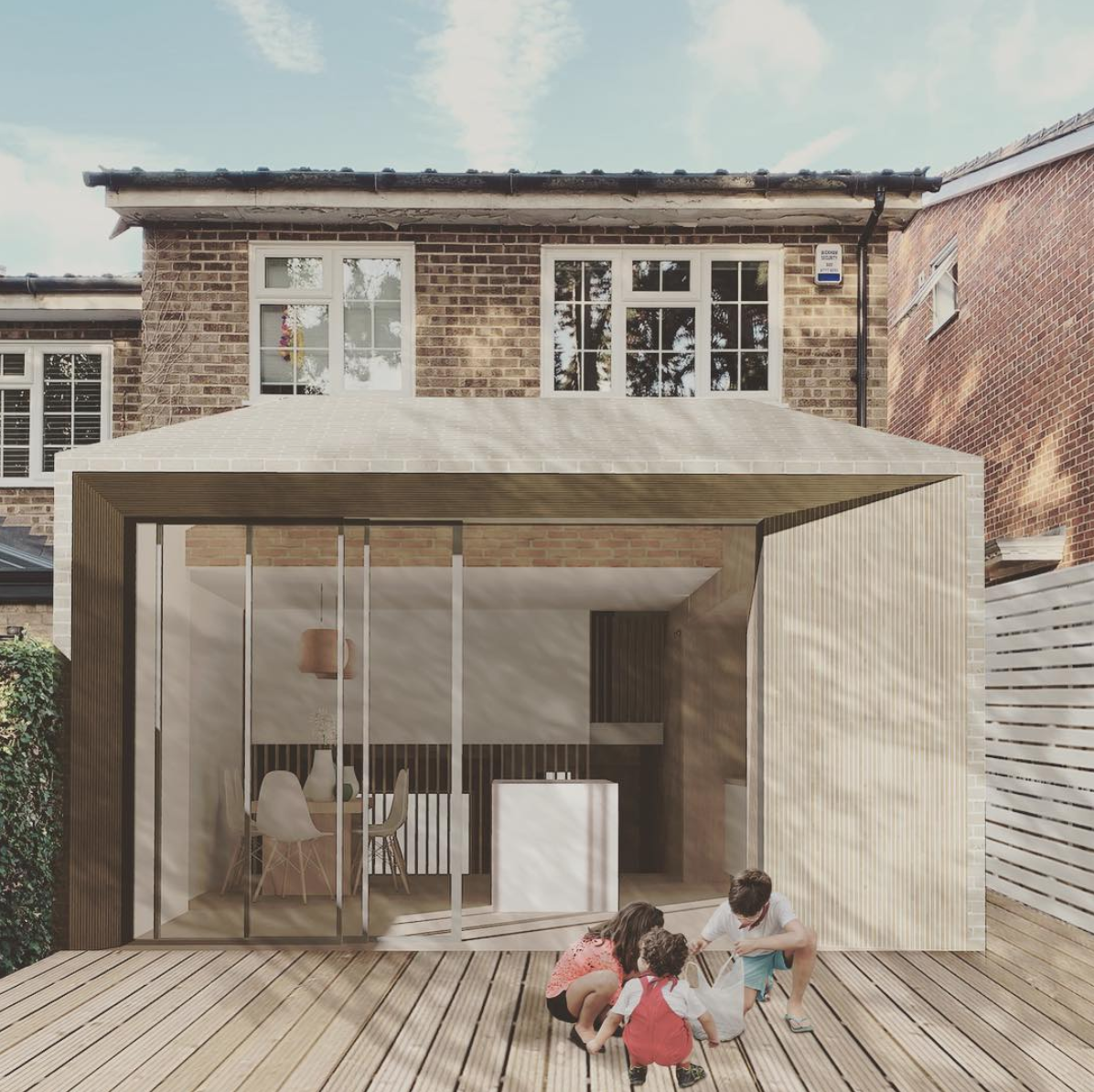
Image above by Nick, architect from London. See his full profile and shortlist him for your planning application here.
Can I submit the planning application myself?
You can. However, it’s usually best to appoint an agent (architect and/or planning consultant). They’ll test your brief against local policy, prepare clear drawings/statements and present the scheme in the best light.
Here at Design for Me we help hundreds of homeowners each month find the right residential architect across the UK. Post your project here to get matched and see who’s interested.
Should I apply before I buy?
- Confidence in feasibility before you commit to purchase
- Potential leverage for pricing/negotiation
Cons
- Time: vendors may not wait for a decision
- Cost exposure if you don’t proceed with the purchase
Tip: An impartial pre-purchase appraisal (e.g. The Potential House) can quickly test planning likelihood, constraints (heritage, overlooking, massing, access) and outline costs so you choose the best route: full application, pre-app, or waiting until after completion.
How long does a planning application take?
For typical householder proposals, local authorities aim to decide applications in around 8 weeks (or 13 weeks for larger/complex schemes). Build in time for your agent to prepare drawings, documents and forms.
You might also consider pre-application advice with the council. Most offer this for a fee (often ~£50–£200 for simple householder queries) and it can indicate whether your proposal is acceptable in principle. See our guide: Should I pay for pre-application advice?
How do I submit — what are the next steps?
- Due diligence (pre-purchase): commission an impartial architectural appraisal to review feasibility, planning risk and budget impact for this address.
- Choose your route: full application, pre-app first, or defer until after completion (depending on vendor timing and risk).
- Appoint your team: architect as agent (and planning consultant if needed).
- Prepare & submit: drawings, statements, ownership certificate/notice, plans and forms via the planning portal.
Before you buy: a short, unbiased review (e.g. via The Potential House) helps you decide whether to apply now and what to expect.
After you buy: use Design for Me to shortlist architects who’ll design the scheme, handle the application and guide you through to approval.
This article provides general guidance only and is not a substitute for professional advice. Always consult qualified professionals for your specific project.
Get Matched with an Architect, Interior Designer or Garden Designer
Ready to get started? Post your project and we’ll match you with home design professionals – all over the UK – who are a perfect fit for your brief. It’s free, fast and no obligation.
- See who’s interested in your job
- Shortlist design pros
- Arrange consultations – for free!