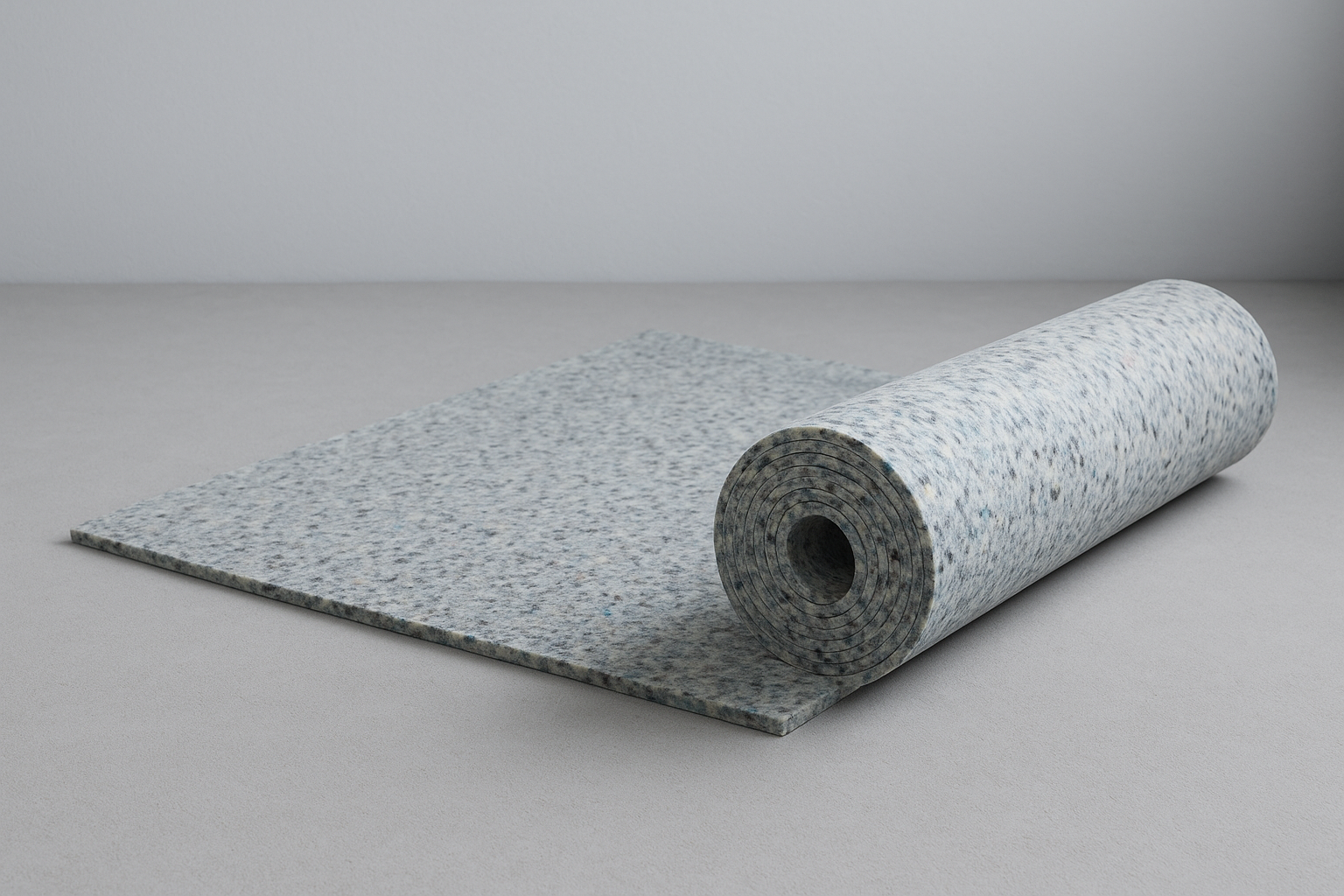
Flooring foundations are the unsung heroes of interior design, bridging the gap between structural integrity and everyday luxury. Choosing the right underlay not only elevates underfoot comfort but significantly boosts your home’s thermal efficiency and acoustic performance.
When planning a renovation or a new build, the focus often lands squarely on the visible finish. You know, the grain of the oak, the pile of the wool, or the sheen of the tile. However, the performance of these materials is dictated largely by what lies beneath. A well-specified flooring foundation is essential for protecting the structural subfloor while enhancing the tactile experience of the room. Whether you are laying down plush broadloom or engineered timber, ensuring you have the correct high-quality Carpet Underlay is vital. This hidden layer provides the resilience and insulation necessary to transform a house into a comfortable, energy-efficient home.
The mechanics of flooring support systems
At a fundamental level, flooring foundations serve as a shock absorber for your home’s interior. Without this cushioning layer, the constant impact of foot traffic strikes directly against the rigid subfloor, leading to accelerated wear on the finished surface. This is particularly critical in open-plan designs where longevity is a priority.
The science behind these foundations involves distributing weight and physical stress evenly across the floor area. A quality underlay acts as a buffer, preventing the localized friction that causes carpets to flatten or wood planks to creak and warp over time. By managing these mechanical interactions, the foundation preserves the aesthetic integrity of the floor, ensuring that the design vision remains pristine for years rather than months.
Thermal and acoustic efficiency in architecture
In modern architectural design, the performance of a building is just as important as its appearance. Flooring foundations play a substantial role in a home’s thermal envelope. Uninsulated floors can account for significant heat loss, often estimated at around 10-15% in a typical home. A foundation with a high tog rating (thermal resistance) acts as an insulator, trapping warm air and stopping cold drafts from rising through floorboards. This is not only a matter of comfort but of sustainability, reducing the energy load required to heat the property.
Acoustics are another critical factor, particularly in multi-storey builds or apartments. Hard surfaces tend to reflect sound, creating echoes and amplifying impact noise. Specialized acoustic underlays are designed to dampen these vibrations, lowering the decibel level of footfalls and airborne noise. This creates a serene auditory environment, which is a hallmark of luxury interior design.
Tailoring the foundation to the space
One size rarely fits all in interior design, and the same applies to flooring foundations. The choice of material must align with the specific functional requirements of the room. For example, high-traffic zones like hallways and staircases require a dense, firm rubber underlay that offers maximum support and bounce-back. In contrast, a bedroom or lounge might benefit from a thicker, softer foam option that prioritizes pure comfort and warmth.
It is also vital to consider how the foundation interacts with the finished material. While carpets need cushioning, rigid floorings like timber require a more stable base to prevent movement. If you are planning to implement the use of wood in your home design, selecting a moisture-resistant underlay with a built-in damp-proof membrane is often necessary to protect natural timber from warping due to ground moisture.
Sustainable materials and future-proofing
The shift towards sustainable architecture has influenced the manufacturing of flooring foundations. Modern innovations have introduced underlays made from recycled materials, such as crumb rubber from vehicle tires or recycled textile fibers. These eco-friendly options allow homeowners to reduce their carbon footprint without compromising on performance.
Furthermore, as underfloor heating systems become standard in contemporary homes, the technology of flooring foundations has had to adapt. Specialized “low-tog” underlays are now available that allow heat to pass through efficiently while still providing the necessary support. By integrating these smart materials, designers and homeowners can future-proof their properties, ensuring that the floors remain comfortable, efficient and structurally sound for the long term.
Get Matched with an Architect, Interior Designer or Garden Designer
Ready to get started? Post your project and we’ll match you with home design professionals – all over the UK – who are a perfect fit for your brief. It’s free, fast and no obligation.
- See who’s interested in your job
- Shortlist design pros
- Arrange consultations – for free!